Fine Coloured Alpacas
Alpaca Information
Alpaca Breed Types
Suri Alpaca
Pronounced: soo ree
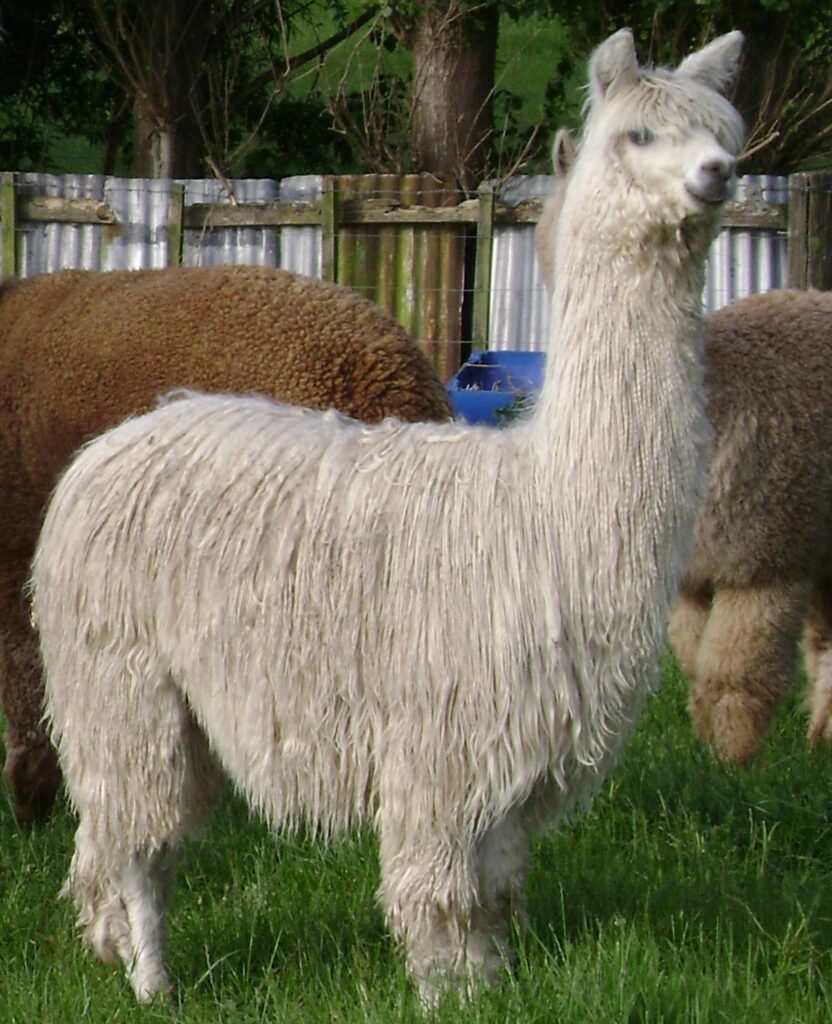
Suri fleece is very fine, lustrous fibre, silky, soft handling, dense locking fleece that moves freely down the body. The individual fibre strands cling to themselves and hang down from the body in beautiful pencil locks which form close to the skin and twists uniformly to the ends.
The Suri is very rare, with the worldwide ration of Huacaya to Suri about 90% to 10%.
Huacaya Alpaca
Pronounced: wa-ki-ya
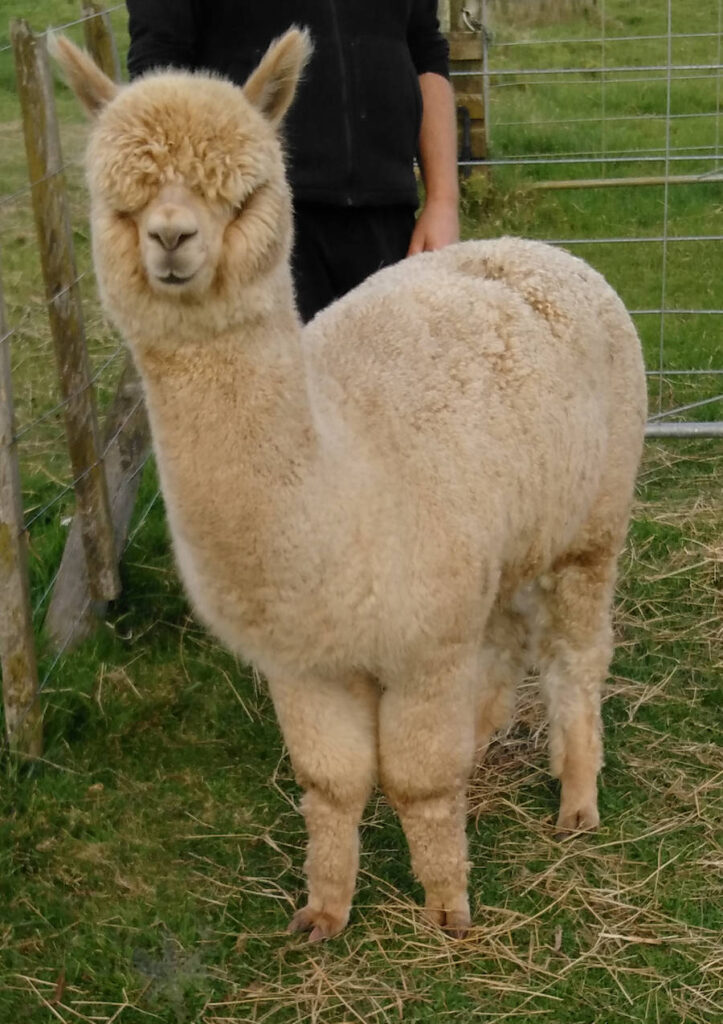
The Huacaya fleece is water resistant dense, woolly, sheep like fleece that caries crimp and has staple definition which gives the Huacaya their fluffy, teddy-bear-like appearance.
Alpaca Uses
Colour
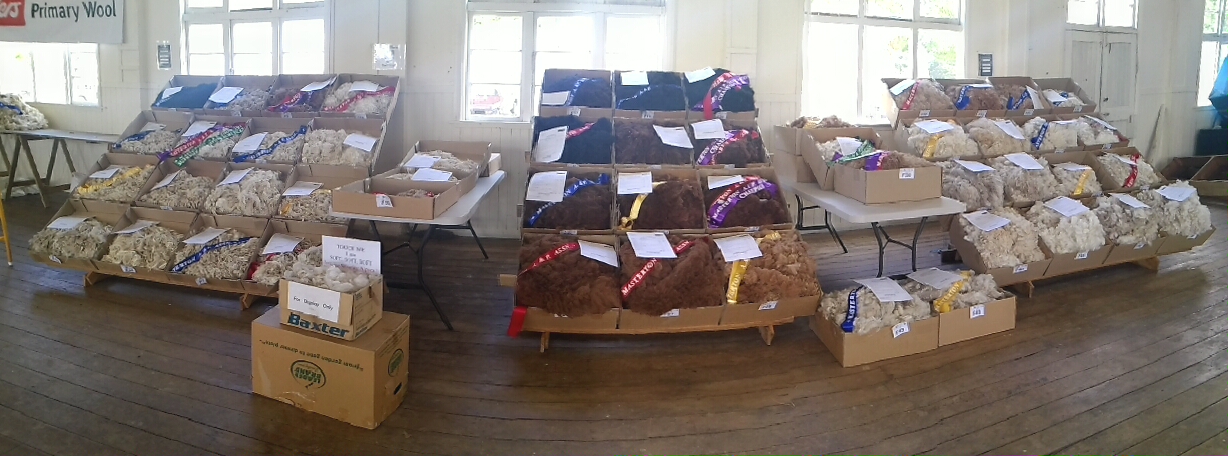
Alpaca fleece comes in 22 natural shades ranging from black to silver, rose grey and white, from mahogany brown to light fawn and champagne.
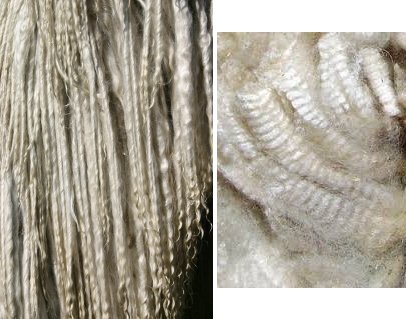
Left: Suri fleece, Right: Huacaya fleece
Fleece Quantity per Animal
Average fleece quantity per animal is 2.5 to 3kg (un-skirted) though some fully grown males/wethers produce 5kg or more.
Alpaca Products
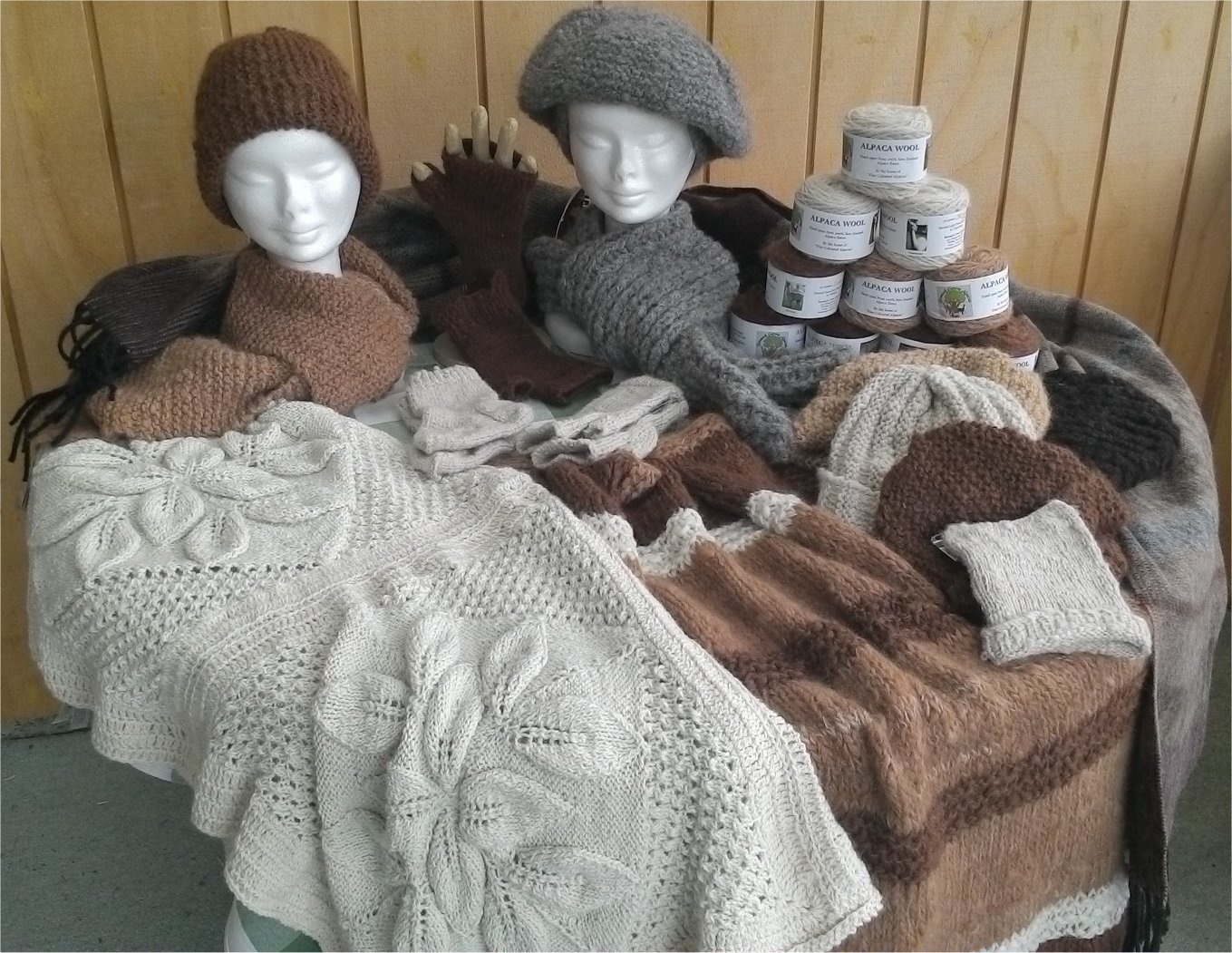
The fibre of the alpaca is used for clothing. It is soft as cashmere or angora, softer handle, stronger, lighter and warmer than merino wool and more resilient than even the finest sheep’s wool. Alpaca fleece is hypoallergenic as it has little or no lanolin. It is easier to process.
Alpaca Physical Characteristics
Height
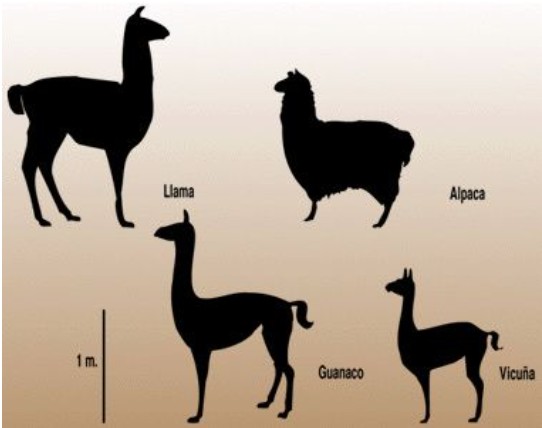
Alpacas stand approximately 90 to 95 cm at the withers (the point where the neck and spine meet). They are approximately 1.5 meters tall from their toes to the tips of their ears.
Weight
Alpaca adults generally weight approximately (+- 10kg).
Female – 70kg.
Male – 85kg.
Alpaca Management
Fencing
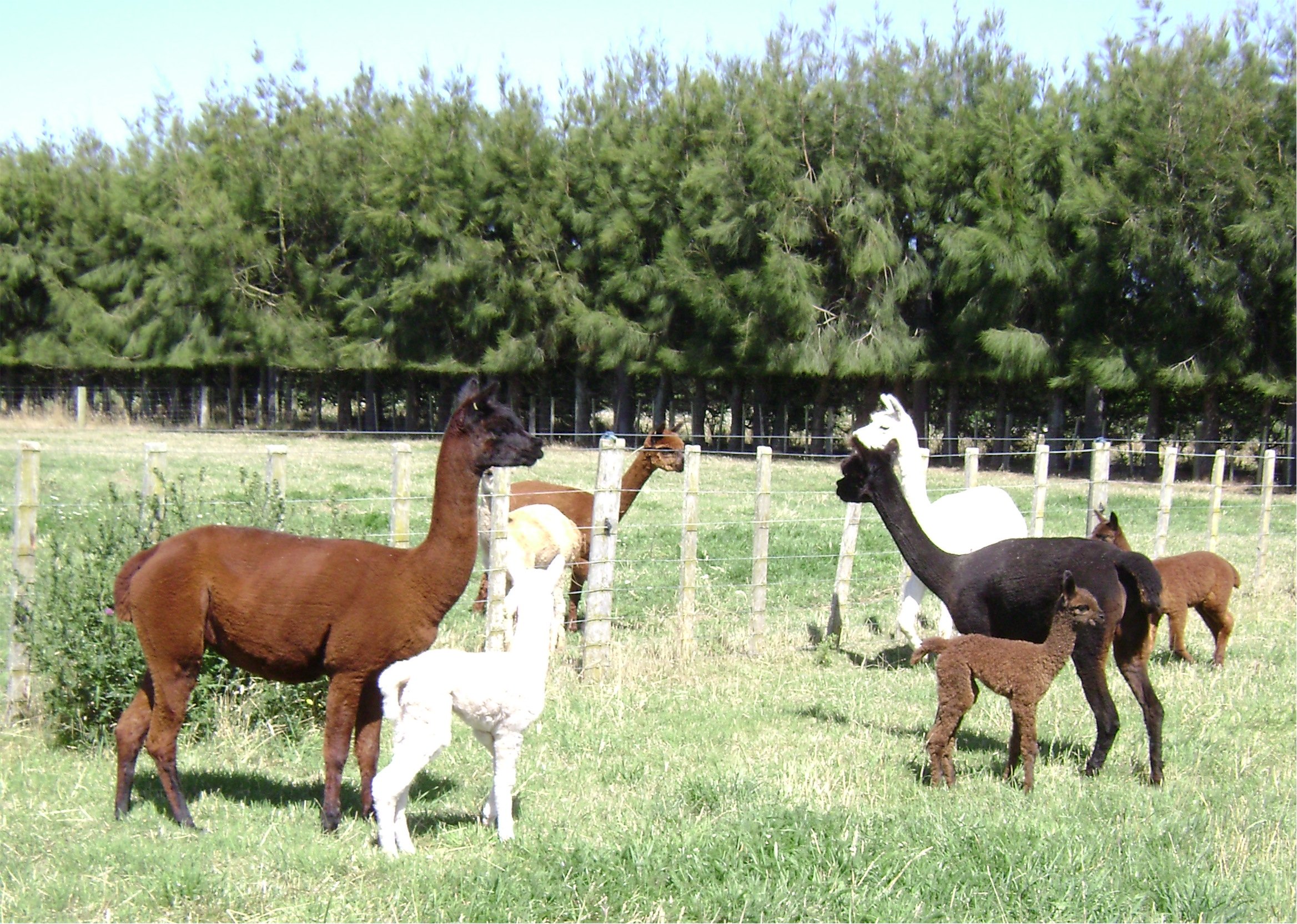
Alpaca do not challenge barriers, a standard sheep fence is more than adequate. Barbed wire should be avoided and electric “hot wire” are not needed. In most cases the existing fencing on a property is sufficient.
Food
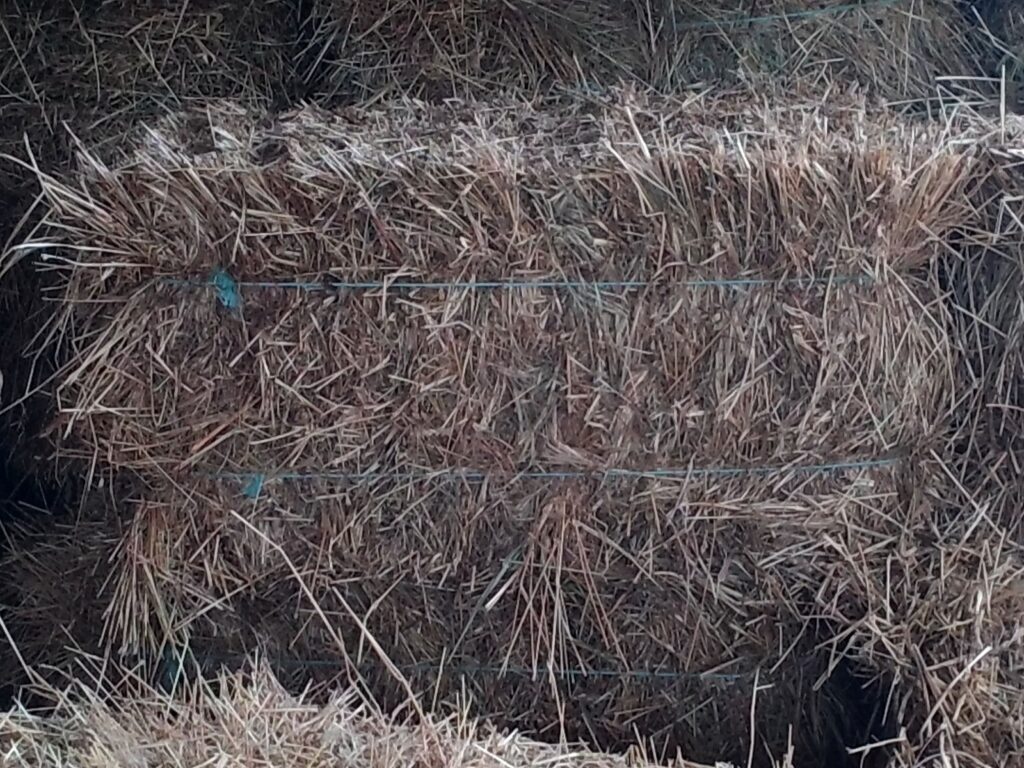
Alpaca are a herbivore, opportunist browsers, they eat most grasses and foliage of trees without stripping the bark. They are efficient feed converters extracting maximum nutritional value from even low-grade forage. Average stocking rate is 4 to 5 alpacas per acre (this depends on the pasture). Farnung conditions around New Zealand vary greatly so you should always find out what is necessary in your local area from a vet or local alpaca breeders.
Grass, hay and clean supply of fresh drinking water is all a typical New Zealand alpaca required. Generally, they do not need additional feed supplements.
Routine Care
Alpacas are hardy, low maintenance livestock that can adapt to a wide range of conditions.
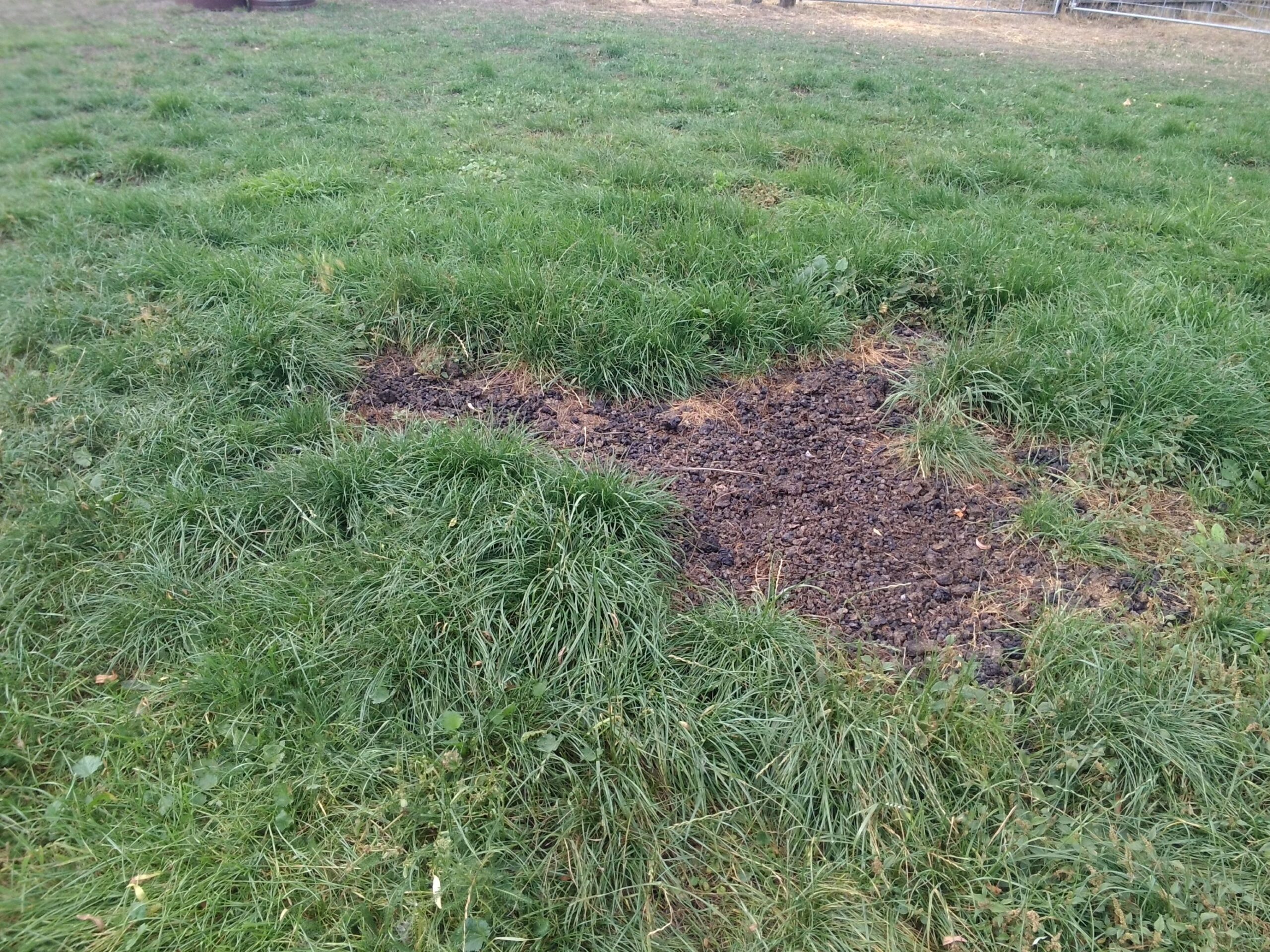
As alpaca defecate in communal sites around their field, preferring not to graze around these “dung piles”, internal parasite levels are normally low thus drenching requirements are lower than for other stock. Alpaca that are grazing with other livestock might need more regular drenching. Their manure is excellent fertilizer and may be applied directly to the garden without danger of “burn”.
Alpaca can be vaccinated against the clostridial diseases found in New Zealand. The same products and dose rates for sheep can be used. Check with your local vet for the best product used in your area.
Alpacas do not suffer from foot-rot or fly-strike.
Feet
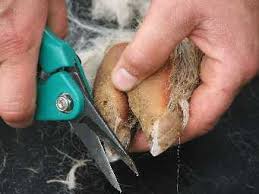
Alpaca have soft padded feet with two toes-thus two toenails. These may need trimming from time to time. It is a task easily carried out by alpaca owners using clippers. The rockier the ground the less often the toenails require trimming. Unlike hard hooves, they leave the terrain undamaged and are gentle on pastures and delicate soils.
Alpaca Behavior
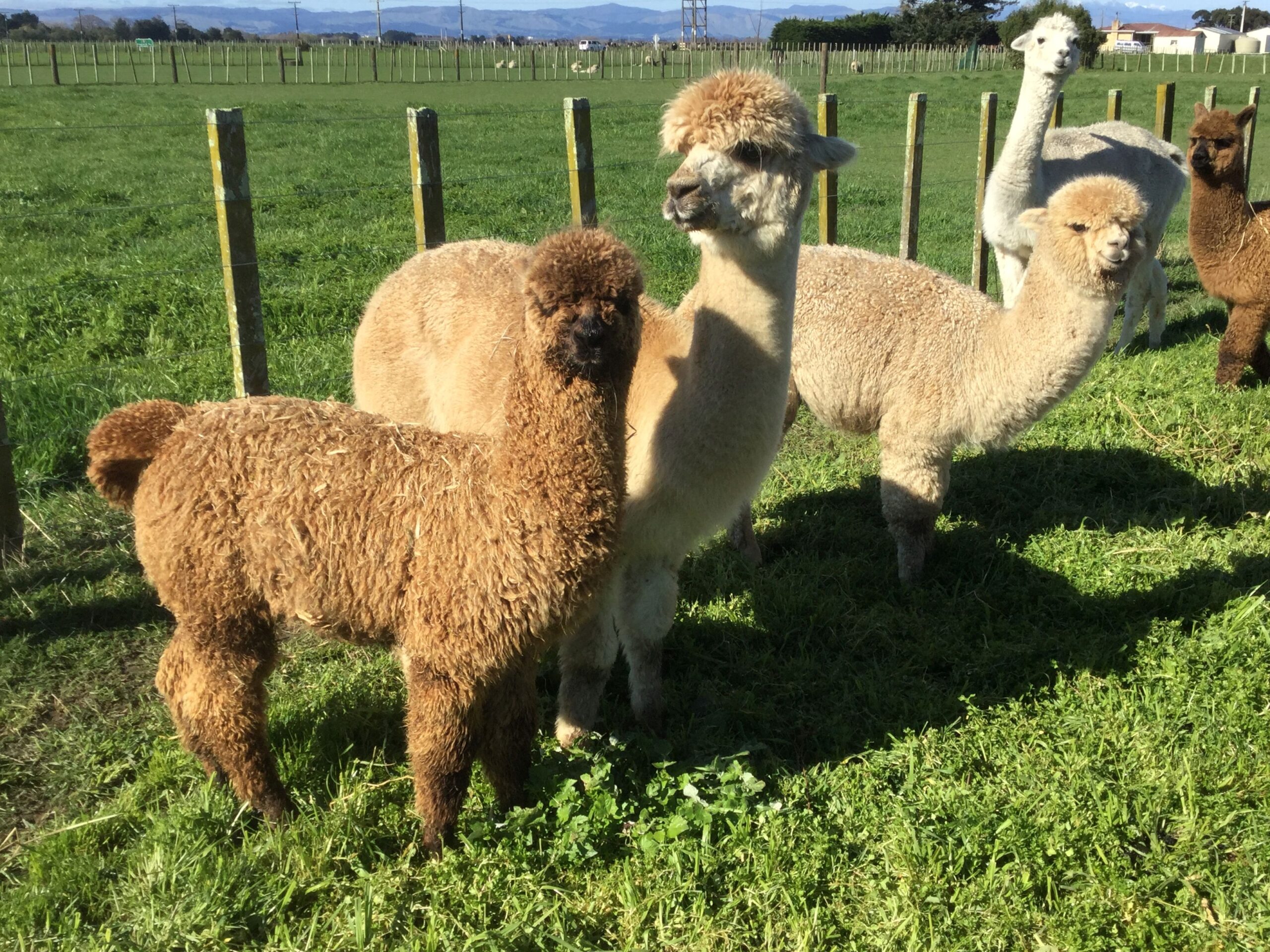
Like all animals, alpacas exhibit individual personality. They are herd animals, preferring the companionship of their friends and their established community. They will become stressed if separated from their buddies.
Gentle and curious, alpacas respond well to children. A confident youngster can handle an animal in a show ring or on an obstacle course.
Communication
Humming – Alpacas make a humming sound to show their contentment or they are near by.
Clucking – sound is made sometimes particularly between family members. Clucking is common between a mother and its cria.
Alarm call – when alarmed, a staccato tooting is made by one animal, then joined in by the rest of the herd as they focus attention in the direction of potential danger.
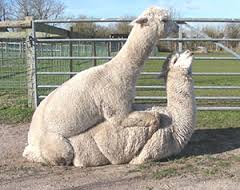
Orgle – During breeding the male trumpets or “orgles” a love song to his mate.
Spitting
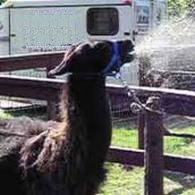
Alpacas only spit at each other to signal displeasure at a herd member. Being spat at by an alpaca is usually caused by something you are doing to them they dislike.
A pregnant female “spits off” an inquisitive male to let him know she is disinterested in his advances.
Reproduction
Alpaca are induced ovulaters, so only ovulate once mated – meaning they don’t come into season as such and can be mated at any time of the year. The gestation length generally ranges from 11 to 11.5 months depending on the time of year.
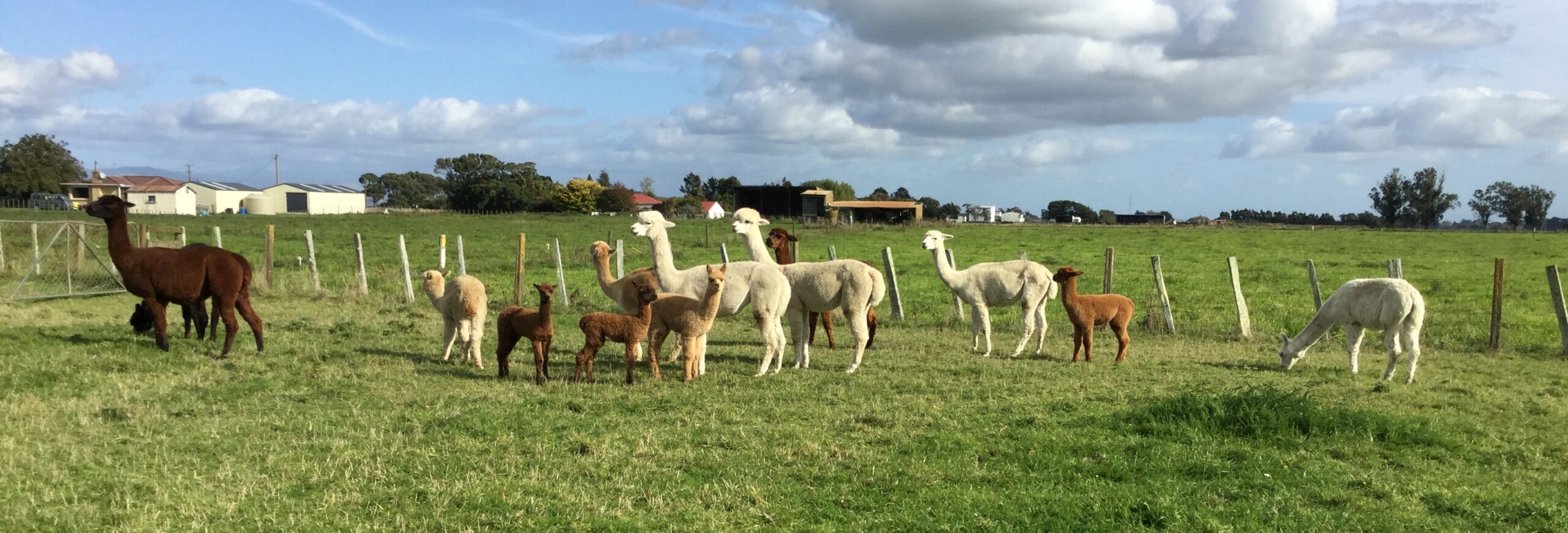
Birthing is predominantly during the day, and the alpaca mothers will often wait until fine weather to “unpack” their offspring. Baby alpaca are called cria (cree-ah). They are approximately 6 to 8 kg at birth and are standing, drinking and running within a few hours.